
Theater, Harlem Stage and Jazzmobile, Inc. present
JAZZ SANCTUARIES FESTIVAL 2025
The Jazz Sanctuaries is an annual celebration honoring the legendary clubs and venues that helped establish Harlem as the heart of jazz. While the festival pays homage to the icons of the past, it is equally focused on the present, showcasing both leading and emerging artists. Through this blend of history and contemporary talent, the event affirms that Harlem remains a vibrant center of jazz culture today.
By Robert G. O’Meally
Harlem feels like a place of dreams, where so much vital cultural history has unfolded that its past still seems alive in the present. Ride the M60 bus along 125th Street, or step off the A train at 125th or 145th, or the 2 or 3 at 125th or 135th, and you enter a vibrant city within a city, alive with energy and lived experience. Behind countless doors, some of the finest music in the world continues to be played.
Guidebooks to Harlem’s musical legacy could name dozens of venues that once shaped sounds heard first across the nation and then around the globe—spots like the Bamboo Inn, Basement Brownie’s, Fatman’s Café, Hot-Cha Bar and Grill, the Hoofers Club, the Lafayette Theater, The Nest, Jimmy’s Chicken Shack, the Savoy Ballroom, and the Yeah Man. Though these legendary places are now gone, their influence endures.
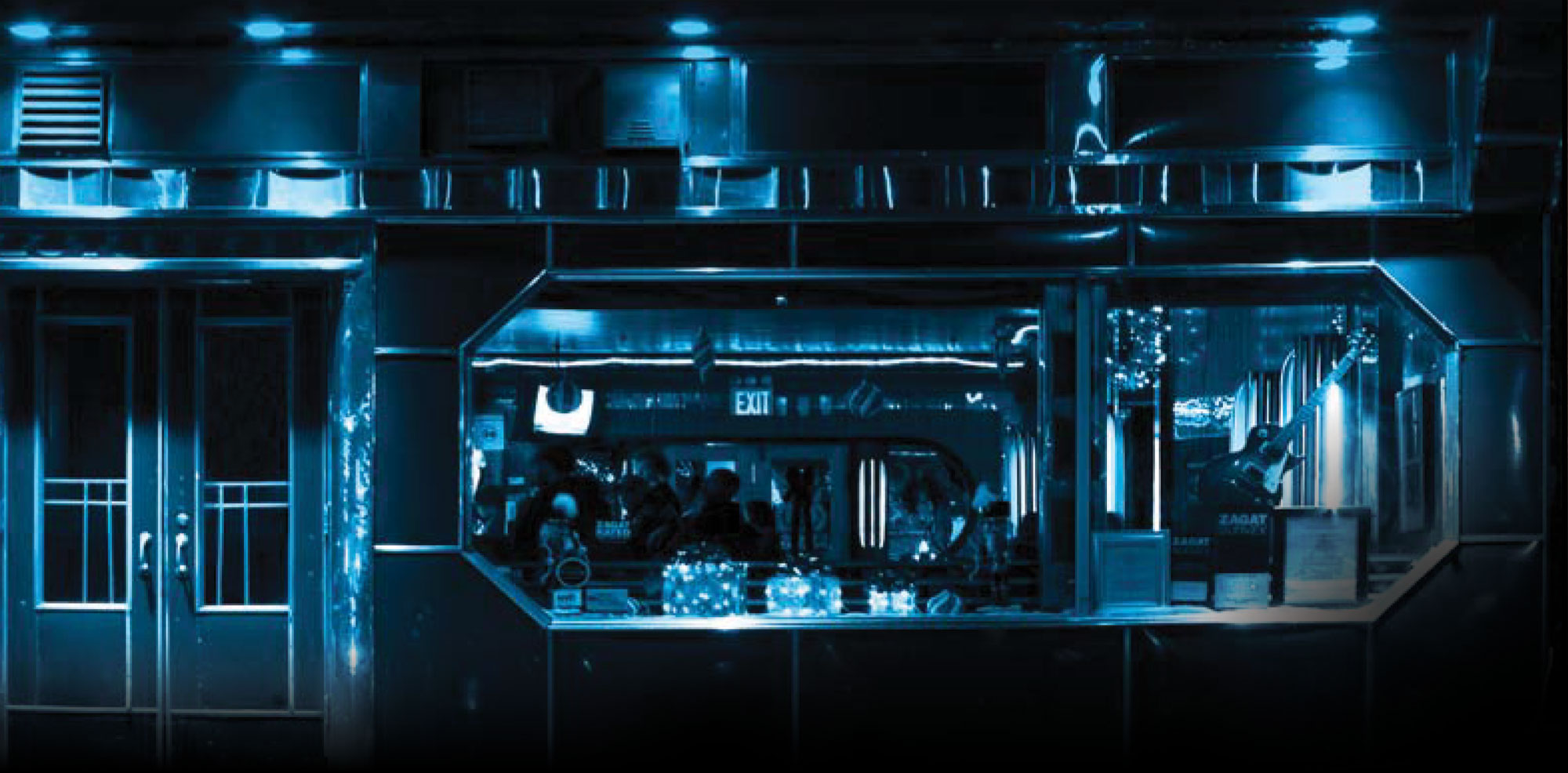
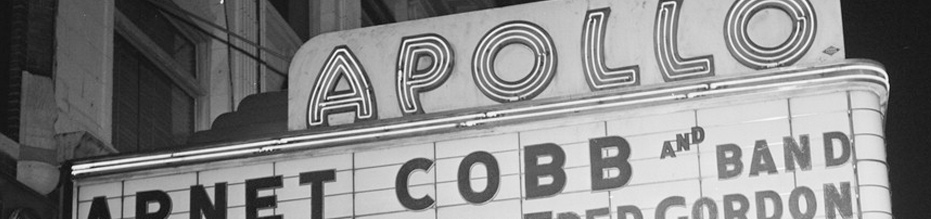
Thankfully, several cultural landmarks still stand strong: the Alhambra Ballroom, the Apollo Theater, Minton’s Playhouse, and Showman’s Café. These living institutions, celebrated by the festival as Harlem Jazz Shrines, continue to grow while honoring the legacy that made them famous.
The term “shrine” is fitting. Such places are destinations where devoted admirers gather to experience echoes of a golden era, recalling the music that once filled these rooms and established them as treasures not only of Harlem, but of national and international importance.
Yet the music associated with these shrines has never been about simply recreating the past. True to Harlem’s spirit, it thrives on improvisation—created in the moment, shaped by the artist’s own voice. Musicians who emerged from the demanding stages of the Apollo or Minton’s have always balanced reverence for tradition with the drive to express their own identities. In this sense, the idea of a “shrine” carries a deeper meaning: as Ralph Ellison suggested, these artists wore their instruments as preachers wear crosses, discovering not only their sound but their very souls—and touching ours in the process.
Though such language may seem grand for venues once filled with smoke, lively chatter, and the aroma of food drifting from the kitchen, it still resonates. Even as secular spaces, these clubs fulfilled a sacred role in the cultural life of Harlem.
This reflection comes from Robert G. O’Meally, Zora Neale Hurston Professor at Columbia University, author of Lady Day: The Many Faces of Billie Holiday and editor of The Jazz Cadence of American Culture.